


/file/1132/b3ec98ecd3e63a01bf0f4eed920fdd93.jpeg)

KL mayor polls: Umno froths, S'gor PAS Youth wants rational dialogue
UPDATED 12.40PM | Added S’gor PAS Youth’s response to prospect of mayorial polls in KL.
Umno leaders are foaming at the mouth over the Federal Territories Department conducting a study on the feasibility of holding a mayoral election in Kuala Lumpur.
Thus far, the pushback from Umno has played on sentiments aimed at riling up Malays, and not logical arguments that challenge the merits of such polls.
In contrast, Selangor PAS Youth gave a more measured response to the proposal, saying it...
UPDATED 12.40PM | Added S’gor PAS Youth’s response to prospect of mayorial polls in KL.
Umno leaders are foaming at the mouth over the Federal Territories Department conducting a study on the feasibility of holding a mayoral election in Kuala Lumpur.
Thus far, the pushback from Umno has played on sentiments aimed at riling up Malays, and not logical arguments that challenge the merits of such polls.
In contrast, Selangor PAS Youth gave a more measured response to the proposal, saying it needed a rational discussion.
Yesterday, Minister in the Prime Minister’s Department (Federal Territories) Hannah Yeoh was reported by China Press that her office was studying mayoral elections, saying it was more practical than electing local councillors for Kuala Lumpur City Hall (DBKL).
Right-wing Malay-based political parties have long opposed the local council election, claiming it would erode Malay power in urban areas where non-Malays are the majority.
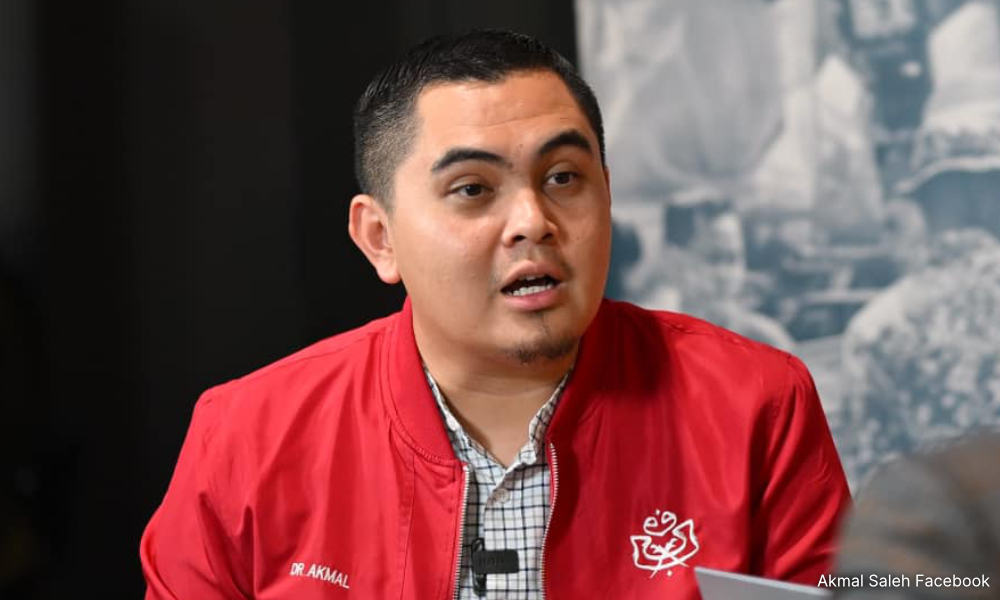
In a Facebook post this morning, Umno Youth chief Dr Akmal Saleh said the concept of mayoral election must be rejected just like how the Urban Renewal Act (URA) proposal was dunked on.
"We fight among ourselves because of power, they unite for power. Wake up, my brothers," Akmal (above) added, in a clear reference to Malay and non-Malay politics.
Agong’s prerogative?
Meanwhile, Seputeh Umno chief Razlan Rafii - who is an aide to Umno president Ahmad Zahid Hamidi - said that appointing the Kuala Lumpur mayor is the prerogative of the Yang di-Pertuan Agong.
This is not strictly accurate. The mayor is appointed by the government, specifically the minister in charge of the Federal Territories, with the Agong's consent.
Razlan also accused Yeoh of flip-flopping on the issue of local council polls.
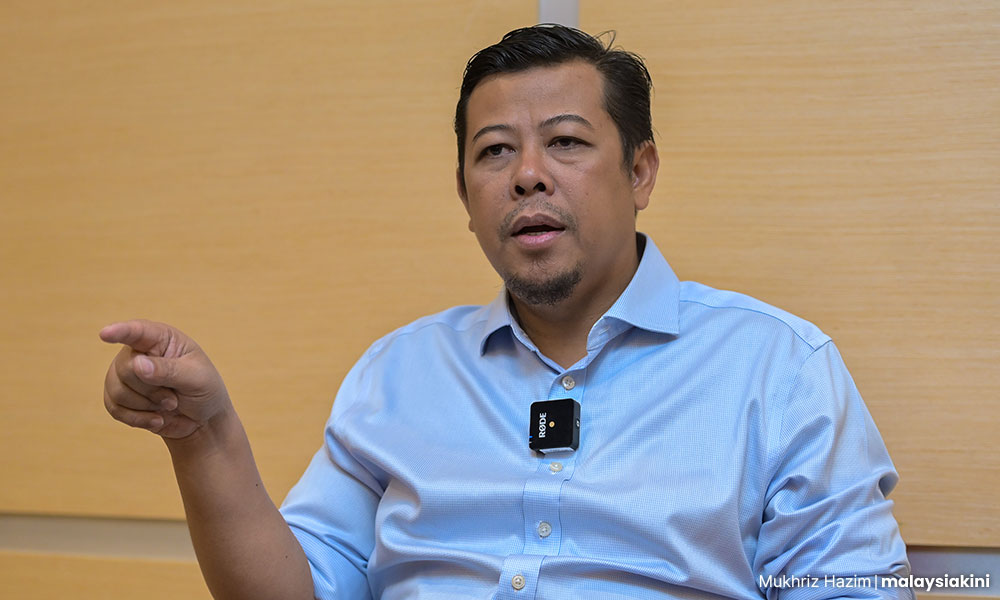
"First, you say you won't do it. Today you say something else. This minister is flip-flopping!" he said on Facebook.
He attached an article where the minister said the local council election would not be the decision of a single party. She did not outright reject the idea.
Underworld influence warning
Umno supreme council member Puad Zarkashi took the debate in a whole other direction, claiming that mayoral polls will be influenced not just by race, but also the criminal underworld.
"Kuala Lumpur has many entertainment centres, pubs, nightclubs, massage parlours and immoral activities. There are a lot of underworld activists, cartels and gangsters.
"Imagine if Kuala Lumpur's gangsters used their money and network to support certain candidates. The mayor's office would no longer be free," he said.
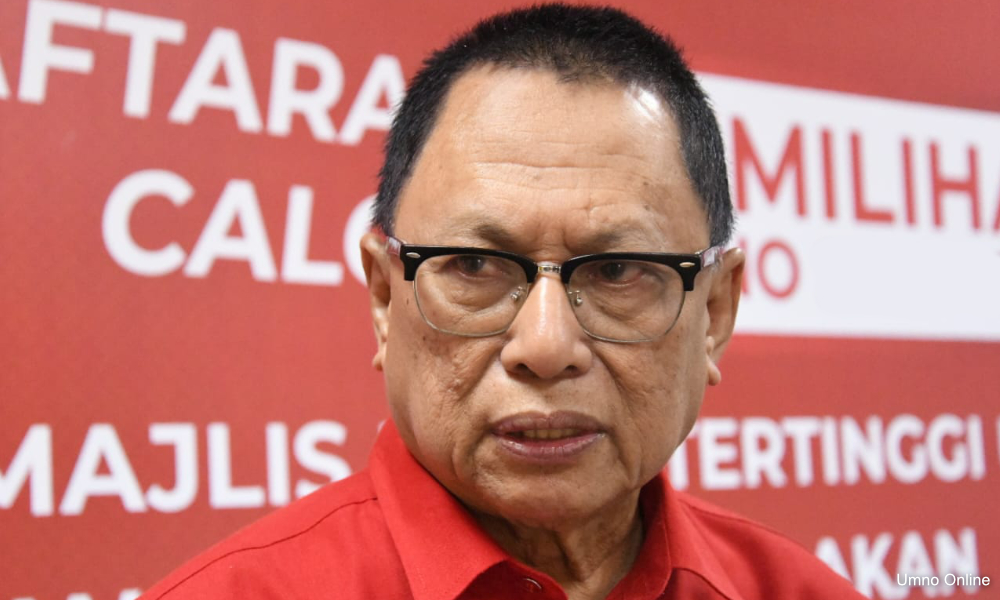
He argued that an appointed mayor can have disciplinary action taken against them, while an elected mayor will stay in office until the end of their term.
While support for Umno is declining, as admitted by the party during its general assembly last month, the party still holds significant influence in the cabinet.
READ MORE: Underneath bravado at AGM, Umno worried about its survivability
Two weeks ago, the cabinet decided to hit pause on the URA so that proposals from Umno could be incorporated.
Prime Minister Anwar Ibrahim is banking on Umno to deliver conservative Malay support for his Pakatan Harapan coalition.
S’gor PAS Youth: Fix power structure first
Diverging from the seasoned Umno politicians, Selangor PAS Youth chief Sukri Omar said the mayoral election must not be rejected blindly.
He said the issue must be reviewed diligently and rationally, and that its implementation should not be rushed in the name of reforms.
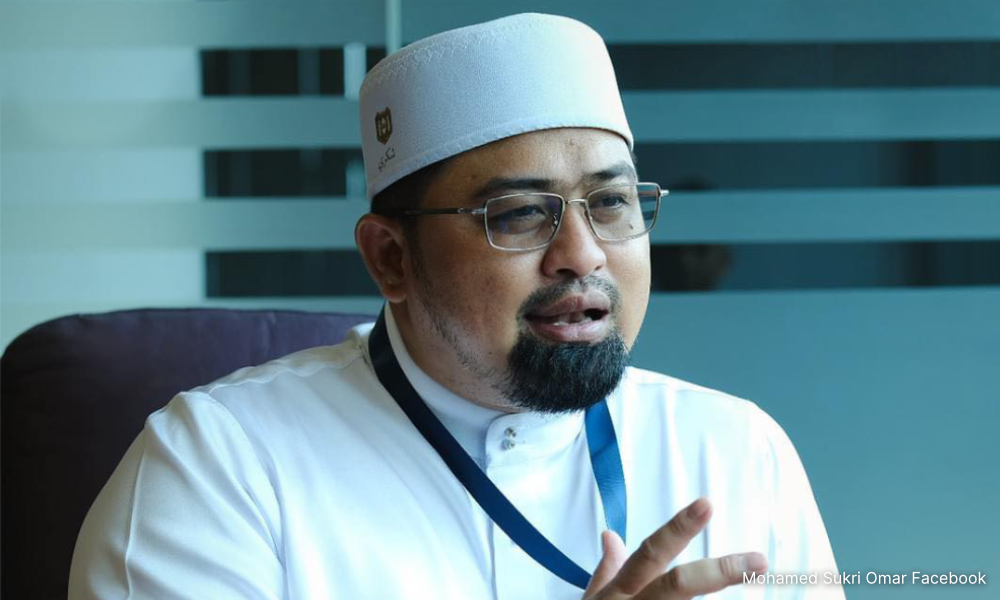
Commenting on Yeoh’s remarks, Sukri noted that one of the problems highlighted in her interview with China Press needed to be resolved first.
Yeoh had said that Kuala Lumpur’s administrative structure already involved “too many units”, making it unclear whether the mayor should heed MPs, Kuala Lumpur City Hall advisers, or proposed city councillors.
"This confusion on who the mayor should listen to arises from failure to establish clear power structures and checks and balances between the federal government, MPs, and DBKL," Sukri said.
He warned that holding a mayoral election without addressing this issue would only shift the problem rather than solve it.
Sukri also expressed concern that having an elected mayor without elected councillors could lead to a concentration of power in a single individual, which would be difficult to keep in check.
This, he said, would go against the principles of good governance.
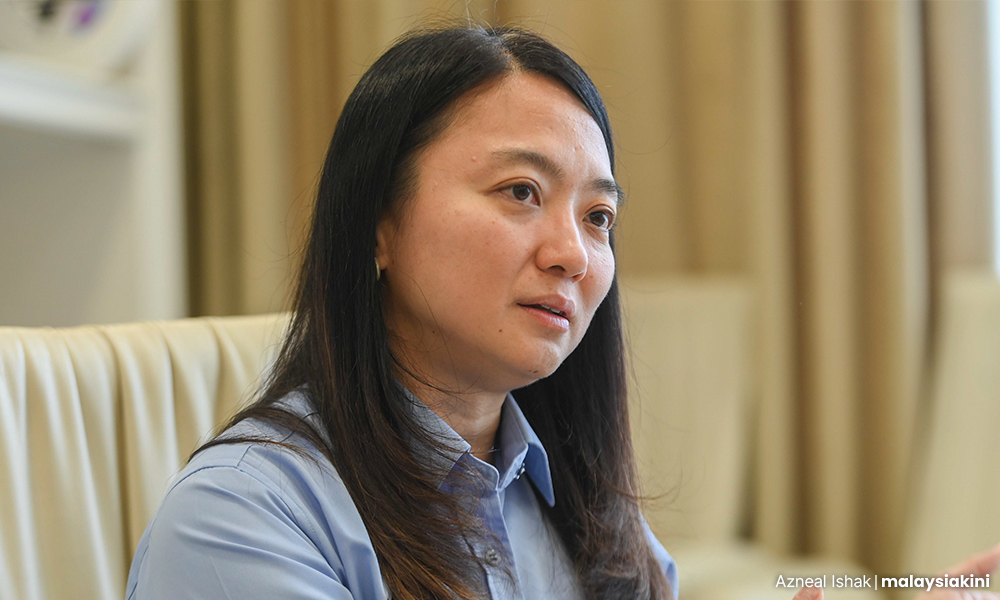
Yeoh had said that if local council election be reinstated in the future, direct elections would then be held either for the Kuala Lumpur mayor or for city councillors, but not both at the same time.
Voting eligibility
Sukri agreed with Yeoh that the issue of who can vote in a mayoral race also needed to be resolved.
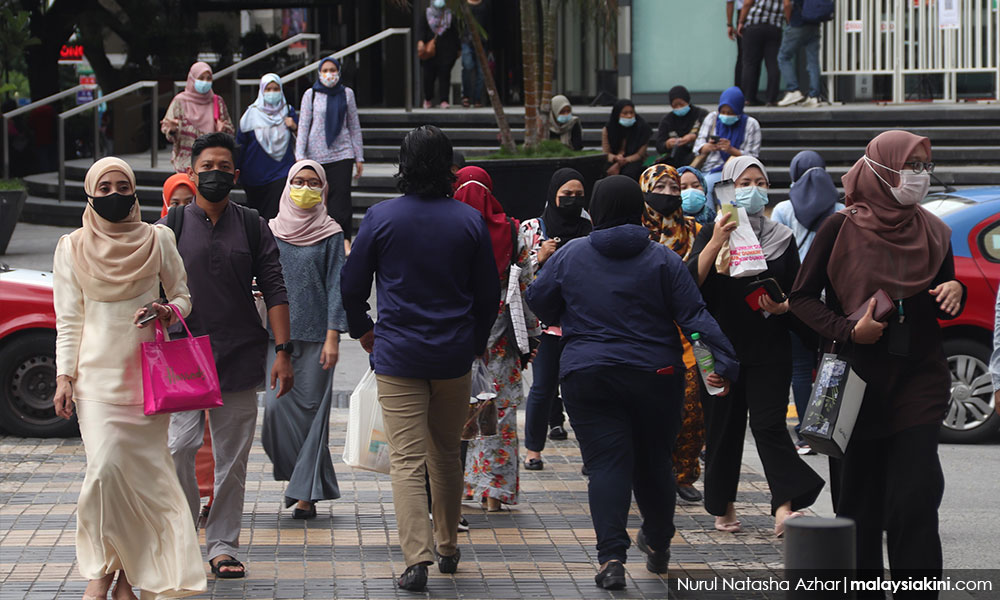
The minister said one of the questions the mayoral election study sought to answer was whether voting eligibility should depend on being a homeowner, a tenant, or someone who works in Kuala Lumpur.
Sukri also raised racial concerns, saying that major changes could not simply replicate foreign models, as they needed to take into account demographic realities, the position of Malay bumiputeras, and the role of the constitutional monarchy.
“This objection is not a blind rejection of localised democracy, but a reminder that reforms must be based on justice, stability, the Constitution, and communal realities,” he said.
/file/publisher-c1a3f893382d2b2f8a9aa22a654d9c97/2025/04/9345980f948f376d3564c9d35bd5c9e9.jpg)
/file/publisher-c1a3f893382d2b2f8a9aa22a654d9c97/2026/01/31f0dd9ea8efe906ceb16605b482db8a.jpg)
/file/publisher-c1a3f893382d2b2f8a9aa22a654d9c97/2026/01/bc06b4f81c134e507dac5aa6790a08a6.jpg)
/file/publisher-c1a3f893382d2b2f8a9aa22a654d9c97/2025/12/37045ab1e3e1448bf7ea1c215073624f.jpg)


Are you sure you want to delete this comment?
This action cannot be undone.